Fire Blight vs. Drought: Spotting Tree Damage Differences
As tree lovers, gardeners, and homeowners, we often find ourselves playing detective when our beloved woody plants show signs of distress. Two of the most common and often confusing culprits behind ailing trees are the bacterial disease known as fire blight and the insidious effects of summer drought. Both can cause wilting, browning, and dieback, making it challenging to differentiate between them. However, understanding how to accurately distinguish damage in trees and woody plants caused by the bacterial disease fire blight from those caused by summer drought is absolutely critical for effective treatment and ensuring the long-term health of your landscape.
Mistaking one for the other can lead to incorrect interventions, wasting time and resources, and potentially worsening the problem. This comprehensive guide aims to arm you with the knowledge and practical tips needed to become a tree health sleuth, confidently identifying whether your tree is battling a bacterial invader or simply parched for water.
The Bacterial Threat: Understanding Fire Blight
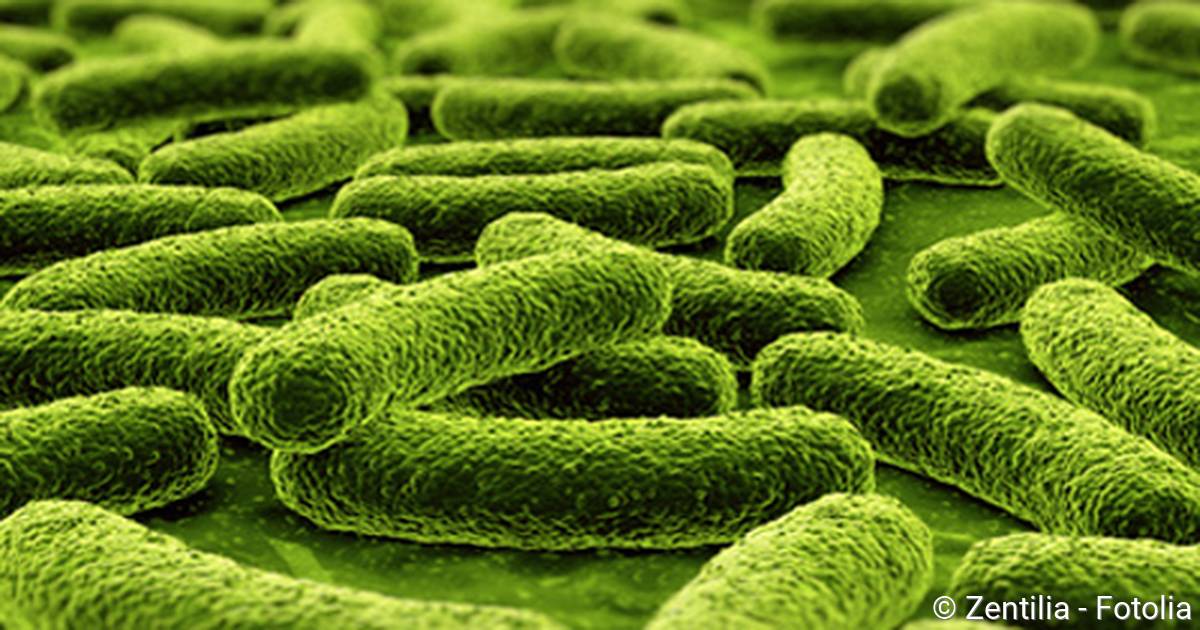
Fire blight is a destructive bacterial disease caused by Erwinia amylovora, primarily affecting plants in the Rosaceae family. This includes a wide range of popular ornamental and fruit trees, such as apples, pears, hawthorns, cotoneasters, quinces, and even some crabapples. The disease thrives in warm, humid conditions, particularly during the blooming period in late spring and early summer.
Key Symptoms of Fire Blight:
- "Shepherd's Crook" Appearance: Perhaps the most distinctive symptom. New shoots and twigs wilt and curl downward, resembling a shepherd's crook. This is usually accompanied by rapid blackening.
- Sudden Wilting and Blackening: Leaves, flowers, and fruit spurs on affected branches rapidly turn brown or black, appearing scorched as if by fire (hence the name). Unlike drought, these leaves often remain attached to the branch.
- Cankers: Dark, sunken lesions (cankers) may form on twigs, branches, or even the main trunk. These cankers can ooze a milky, sticky bacterial liquid during wet conditions.
- Reddish-Brown Discoloration Under Bark: If you carefully scrape away the outer bark of an infected branch, the inner bark and cambium layer may appear reddish-brown, often with a water-soaked margin, rather than the healthy green or white of unaffected wood.
- Rapid Spread: Fire blight can spread quickly through a tree or even to neighboring susceptible plants, especially during periods of wet weather and active growth.
It's important to note that fire blight typically affects specific branches or areas, rather than the entire tree at once, though severe infections can lead to tree death.
The Thirsty Problem: The Impact of Drought Stress
Drought stress, on the other hand, is a physiological condition resulting from an insufficient supply of water to meet a tree's needs. This can be due to prolonged dry spells, inadequate irrigation, poor soil drainage, or even competitive root growth from nearby plants. While all trees are susceptible to drought, newly planted trees, those with shallow root systems, or species not well-adapted to local climate conditions are particularly vulnerable.
Key Symptoms of Drought Stress:
- General Wilting and Drooping: Leaves may droop or curl, losing their turgidity as the tree attempts to conserve moisture.
- Leaf Scorch: A common and noticeable symptom where leaf edges or areas between veins turn yellow, then brown or crispy. This often starts on the outer or upper canopy and progresses inward.
- Premature Leaf Drop: Trees under severe drought stress may shed their leaves early, sometimes even in mid-summer, as a survival mechanism.
- Stunted Growth: Reduced growth of new shoots and smaller, fewer leaves are signs of chronic water stress.
- Branch Dieback: Over time, drought can lead to the gradual dieback of twigs and branches, often starting from the top down or the outer canopy, as the tree sacrifices less vital parts to preserve its core.
- Overall Decline: The entire tree may appear generally unhealthy, lacking vigor and lushness.
Unlike fire blight, drought stress is an environmental issue that affects the tree's ability to transport water and nutrients, leading to a more generalized decline across the canopy rather than localized "scorching" on specific new growth.
Key Distinctions: How to Tell Fire Blight vs. Drought Apart
Now that we've explored the individual characteristics, let's look at how to effectively spot the tree damage differences between fire blight and drought. This comparative approach is key to accurate diagnosis.
- Appearance of Damaged Tissue:
- Fire Blight: Damaged leaves and twigs turn dark brown to black, often appearing as if burned. The affected tissue tends to remain firm and attached. Look for the distinct "shepherd's crook."
- Drought: Leaves typically turn yellow or light brown, often starting at the margins or between veins, and become crispy or brittle to the touch. They may eventually drop off.
- Presence of Ooze or Cankers:
- Fire Blight: The presence of milky, sticky ooze on twigs or branches, or visible cankers, is a definitive sign of fire blight.
- Drought: Drought stress does not cause ooze or cankers.
- Pattern of Damage:
- Fire Blight: Tends to appear suddenly on new growth (shoots, flowers, young fruit) and often affects individual branches or sections. It can be somewhat localized before spreading.
- Drought: Damage is usually more widespread, affecting the entire canopy or large portions of the tree, often starting from the top or outer edges, and progressing more gradually.
- Timing and Environmental Factors:
- Fire Blight: Most active in spring and early summer, especially during warm, humid, and rainy weather when trees are actively growing and flowering.
- Drought: Manifests during prolonged periods without sufficient rainfall, particularly in summer when temperatures are high and water evaporation is rapid.
- Internal Tissue Discoloration:
- Fire Blight: Scraping the bark may reveal reddish-brown discoloration in the cambium layer of affected branches.
- Drought: Internal tissue may appear dry or discolored due to lack of water, but typically without the distinctive reddish-brown streaking or water-soaked appearance of fire blight.
For a deeper dive into expert identification, read our article: Is it Fire Blight or Drought? Expert Tree Damage ID.
Practical Tips for Diagnosis and Management
Armed with these distinctions, you can approach your ailing tree with a clearer strategy.
Immediate Steps for Diagnosis:
- Observe Closely: Get up close to the affected areas. Look for the "shepherd's crook," ooze, and specific color changes.
- Check the Weather History: Review recent weather patterns. Has it been unusually wet and warm during spring bloom (fire blight)? Or hot and dry for an extended period (drought)?
- Inspect the Entire Tree: Determine if the damage is localized to specific branches/new growth or generalized across the canopy.
- Consider Tree Species: Is your tree a known host for fire blight (e.g., apple, pear, hawthorn)?
Management Strategies:
- For Fire Blight:
- Pruning: Immediately prune out affected branches, cutting at least 8-12 inches into healthy wood below the visible symptoms. Sterilize your pruning tools with a 10% bleach solution or rubbing alcohol between each cut to prevent spreading the bacteria.
- Avoid Over-Fertilization: Excessive nitrogen can promote succulent new growth that is highly susceptible to fire blight.
- Resistant Varieties: When planting new trees, choose varieties known for their resistance to fire blight.
- Professional Help: For severe or widespread infections, consult with a certified arborist or plant pathologist.
- For Drought Stress:
- Deep and Infrequent Watering: Provide thorough, deep watering that reaches the entire root zone. This encourages roots to grow deeper, making the tree more drought-tolerant. Aim for 1-2 inches of water per week, depending on soil type and tree size.
- Mulching: Apply a 2-4 inch layer of organic mulch (like wood chips) around the tree's base, keeping it a few inches away from the trunk. Mulch conserves soil moisture, regulates soil temperature, and suppresses weeds.
- Address Soil Issues: Improve soil structure and drainage if necessary to ensure water retention and availability.
- Stress Reduction: Avoid other stressors like compaction or physical damage to the roots.
Understanding the subtle differences is key to proper care. Explore further insights in: Drought vs. Fire Blight: Key Distinctions for Tree Health.
Accurate identification of tree ailments is the first and most crucial step toward effective management. While fire blight and drought stress can present confusingly similar symptoms, focusing on the specific visual cues, timing, and patterns of damage will empower you to differentiate between these two common threats. By understanding how damages in trees and woody plants caused by the bacterial disease fire blight differ from those caused by summer drought, you can implement the correct solutions, protect your trees, and contribute to a healthier, more vibrant landscape for years to come.